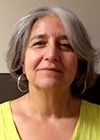
Deborah Ann McNeil |
Deborah Ann McNeil is an Adjunct Professor at the University of Calgary’s Faculty of Nursing and Department of Community Health Sciences, Cummings School of Medicine. She earned a Bachelor of Science in Nursing from the State University of New York at Buffalo, a Master of Nursing specializing in neonatal care and a Doctorate in Epidemiology from the University of Calgary. As a former clinician, she was steeped in health services for many years, holding a variety of clinical, education and administrative positions. She led research departments in maternal child health, population public health and Indigenous health as Director and Scientific Director in the Alberta health system. Deb’s current research focuses on implementation science, patient-oriented research and family integrated care. She has expertise in a variety of research approaches including epidemiologic and qualitative research methods, as well as synthesis and systematic evidence reviews.
|
Members
|
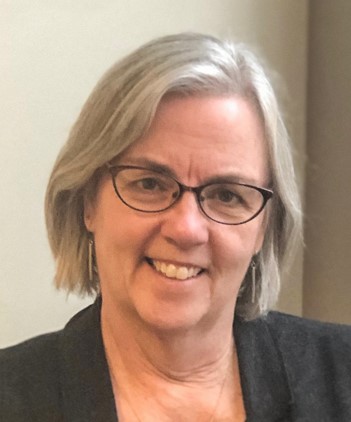 Claire Betker Claire Betker
|
Claire Betker, PhD, RN, CCHN(C), FCAN, is the Scientific Director of the National Collaborating Centre for Determinants of Health at St. Francis Xavier University in Antigonish, Nova Scotia. As a Registered Nurse and Certified Community Health Nurse (Canada), Claire has worked in public health, primary health care and home health at local, regional, provincial and national levels. Claire is a past president of both the Canadian Nurses Association and Community Health Nurses of Canada, as well as the inaugural chair of the Association of Regulated Nurses of Manitoba. Her doctoral research focused on the capacity for public health leadership to advance health equity, a knowledge base that informs her contributions to the public health field.
|
 David Brown David Brown |
David Brown, Master of Health Studies, CPHIC, is the Director of Environmental Public Health, Central Zone/Tobacco Smoking Vaping Enforcement Unit for Alberta Health Services. As a nationally certified public health inspector, David has worked in public health in three provinces (British Columbia, Alberta and Ontario), in various positions, advancing environmentally acquired disease prevention strategies and de-normalizing tobacco and vape use in youth.
|
| Danielle Charron |
Danielle Charron is the City of Hamilton Public Health Services Library Coordinator, working in the Planning and Business Improvement division. She is a member of the Ontario Public Health Libraries Association, having served as its president from 2014 to 2015, and is also a member of the Hamilton and District Health Libraries Network. Her past work experience includes acting as a Trial Search Coordinator during her time as a co-op student with Cochrane’s Effective Practice and Organisation of Care group. Danielle has a background in health science, education and information science and has combined these skills during her tenure as a knowledge broker in NCCMT’s Knowledge Broker Mentorship Program from 2015 to 2016.
|
 Tamara Chavez Tamara Chavez |
Tamara Chavez is the Project Manager with the UBC Cluster for Indigenous Engagement, Development, and Research (CIEDAR), an Indigenous-led research organization at the University of British Columbia. She has extensive experience in community-based participatory research, public health emergency preparedness, Indigenous health, and harm reduction. Previously, Tamara worked with the BC Centre for Disease Control’s Harm Reduction Services and as a Research Consultant with Harm Reduction International, supporting evidence-informed public health initiatives at local and international levels.
|
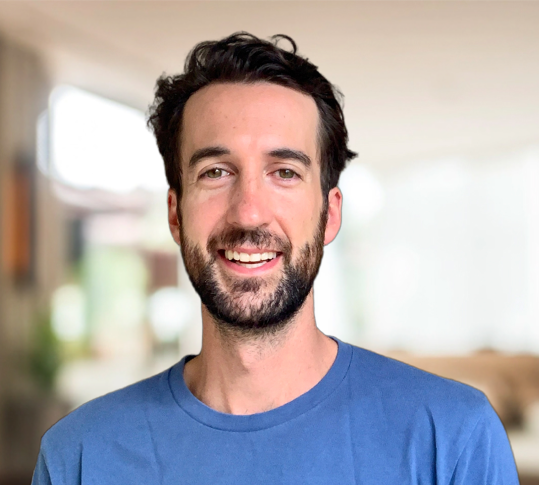 David Flaherty David Flaherty |
David Flaherty, MSc, is the Advisor - Knowledge Broker at Peel Public Health. In this role, he collaborates with teams across the organization to support evidenceinformed decisionmaking, including research question development, evidence synthesis, and product creation. David has worked in the Knowledge Mobilization field for many years, with previous roles at St. Michael’s Hospital in the Knowledge Translation Program, Public Health Ontario, and the Centre for Effective Practice. He has contributed to projects at the local, provincial, and national levels, bringing experience across primary care, acute care, and population health settings.
|
 Emily Groot Emily Groot |
Dr. Emily Groot is the Associate Medical Officer of Health at Public Health Sudbury & Districts and the Medical Director of Réseau ACCESS Network’s Treatment and Prevention (TAP) Clinic. She completed medical school at McMaster University, residency in Public Health and Preventive Medicine (PHPM) at Queen’s University, and a Master of Public Health at the University of Toronto. She is currently completing a PhD in Evidence-Based Healthcare at the University of Oxford. She lives with her family in Sudbury, Ontario, where she also serves as an associate professor and Director of the PHPM Program at Northern Ontario School of Medicine (NOSM) University.
|
| Kimberley Hernandez |
Kimberley Hernandez [bio to follow]
|
| Laura Hillier |
Laura Hillier [bio to follow]
|
| Marianne Jacques |
Marianne Jacques [bio to follow]
|
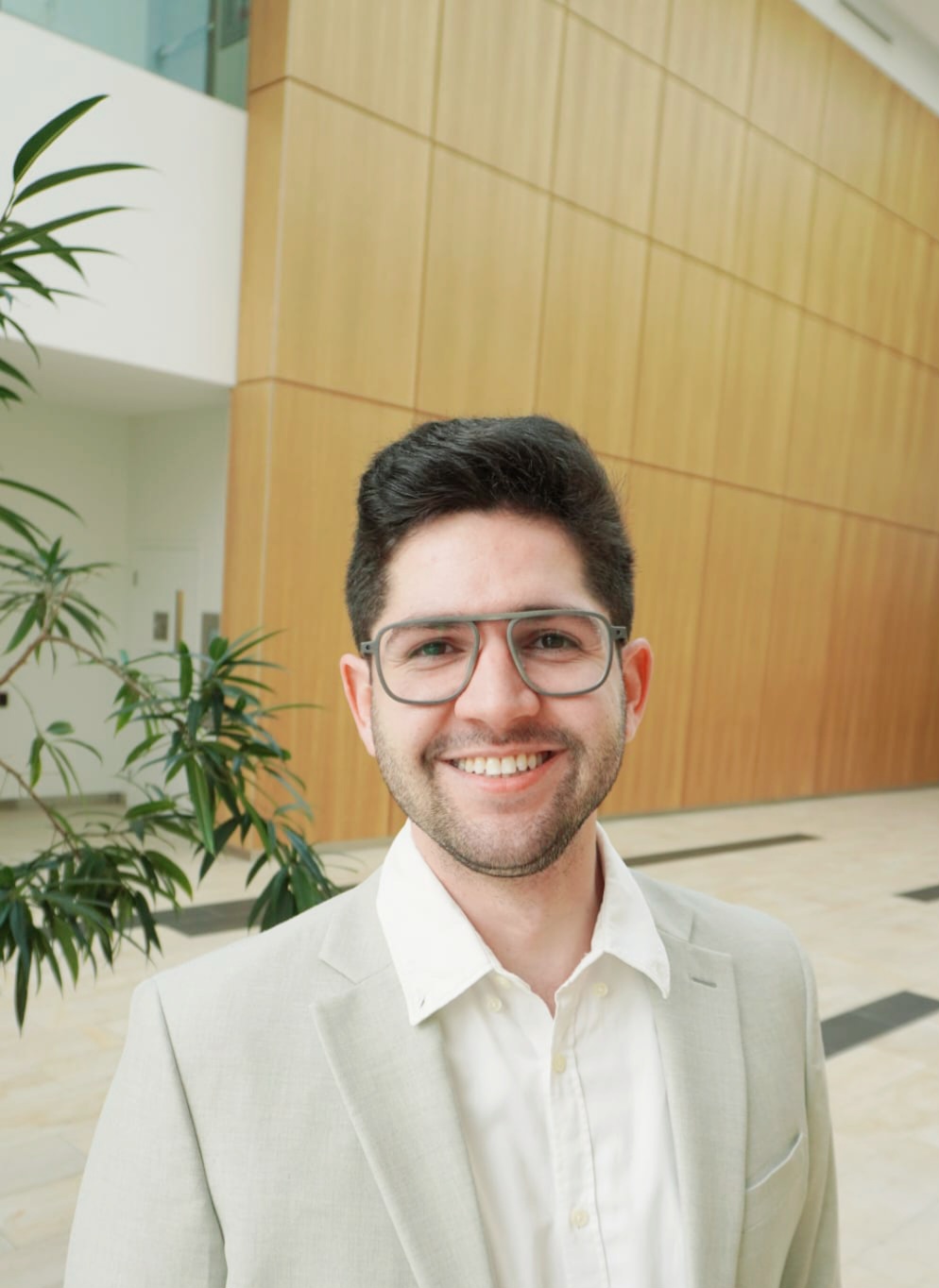
Itai Malkin |
Dr. Itai Malkin, MD, MSc, completed undergraduate studies at Western University, medical school at the University of Ottawa and medical residency training at McMaster University, for both family medicine and public health and preventive medicine. He earned a Master of Public Health with a special focus in environment and health from the London School of Hygiene and Tropical Medicine. His scholarly and quality improvement work has addressed topics including the social determinants of health; policy analysis of dissemination (uptake and impacts, including co-benefits and unintended consequences); and climate change and health awareness (emergency response planning and carbon footprint reduction by community clinics). Currently, he is a Medical Officer of Health for Newfoundland and Labrador Health Services Provincial Public Health and a clinical associate professor for the Department of Health Research Methods, Evidence and Impact, McMaster University.
|
 Amanda Mongeon Amanda Mongeon |
Dr. Amanda Mongeon is Manager of Community Health at Northeastern Public Health, where she supports comprehensive health promotion programs focused on chronic disease and injury prevention, well-being, and substance use health. She is a Credentialed Evaluator and has worked in local public health since 2006. Dr. Mongeon holds a PhD in Rural Studies; her research explores the intersection of rural health governance, emergency management, and health promotion. She lives and works in Temiskaming Shores, Ontario.
|
 Jackie Muresan Jackie Muresan |
Jackie Muresan, RN, MSc, has been knowledge broker in public health for many years. She worked at NCCMT when the centre first opened from 2008 to 2012 and she was the Advisor-Knowledge Broker at Peel Public Health from 2017 to 2024. She’s also supervised teams at Peel Public Health focused on Research, Policy, Planning and Knowledge Mobilization. She has experience working in acute care as well as in the community as a public health nurse and prenatal educator. Her area of expertise is knowledge translation in public health, and she is co-author of a Canadian textbook chapter on evidence-informed practice in community health nursing. She is currently working at Vancouver Coastal Health as a Psychological Health, Safety and Employee Wellness Advisor.
|
 Franco Rizzuti Franco Rizzuti |
Franco Rizzuti (he/him), BSc, MD, Fellow of the Royal College of Physicians of Canada (Division of Medicine), is the provincial lead Medical Officer of Health (MOH) for Emergency & Disaster Management and Calgary zone MOH with Alberta Health Services. Franco’s interest areas within public health are emergency preparedness and response, environmental public health, and system transformation. Franco is a recipient of the Canadian Medical Association Young Leaders award for his role in developing the medical student contact tracing team as part of the COVID-19 response in Alberta. He is also a Clinical Assistant Professor in Community Health Sciences, Cumming School of Medicine, University of Calgary, where he is core faculty for the MD program. Outside of his clinical work, Franco has extensive experience in medical leadership, serving on post-secondary and medical boards at the local, provincial and national levels. He is current President of the Canadian Association of Physicians with Disabilities (CAPD).
|
| Mark-Andrew Stefan |
Dr. Mark-Andrew Stefan is a Queen's University medical graduate who completed his Masters in Public Health and residency in Public Health and Preventive Medicine at Université de Montréal. Since 2010, he's been working at the Laval Public Health Department in Laval, Québec, as medical advisor on Health Promotion and Disease Prevention.
Since 2012, he has accumulated several other roles in the Department, namely Chief of Preventive Medicine and Health Surveillance, and Head of both the Teaching and the Continuing Medical Education Committees. As clinical supervisor with Université de Montréal's School of Public Health, he has been actively involved in sharing his passion for prevention while supervising Masters students and medical residents in Public Health and Preventive Medicine.
|
 Samantha Tong Samantha Tong |
Samantha Tong, MPH, is a strategic public health leader with over 23 years of experience in health systems, including more than a decade in progressive leadership roles at Fraser Health Authority. With a Master of Public Health in Global Health and a strong foundation in health sciences, Samantha brings deep expertise in advancing health equity through evidence-informed policy, strategic planning, program implementation and community engagement. Her work is grounded in a commitment to social justice, systems thinking and meaningful engagement with diverse communities. At Fraser Health, Samantha led numerous impactful initiatives, such as the development of regional health equity frameworks, the implementation of race-based and sociodemographic data collection, and the integration of equity into public health programming. Her leadership at the South Asian Health Institute was instrumental in promoting culturally safe practices and advocating for systemic change during the COVID-19 pandemic. Samantha is a recognized voice in health equity, having shared her insights at local, provincial and national levels. She has presented widely on topics such as racial equity in immunization, health equity tools and community engagement strategies. Her governance experience includes serving on the Board of Directors at Aunt Leah’s Place, where she supports the integration of equity, diversity, inclusion and reconciliation into board governance.
|
 Andrea Tricco Andrea Tricco |
Dr. Andrea Tricco holds a Master of Science in Epidemiology and Doctorate in Population Health. She is a scientist and the Executive Director of the Li Ka Shing Knowledge Institute, St. Michael’s Hospital. She is an Associate Professor at the University of Toronto at the Dalla Lana School of Public Health and the Institute of Health Policy, Management and Evaluation. She is also an Adjunct and Associate Graduate Faculty with the Faculty of Health Sciences at Ontario Tech University and the Co-Editor in Chief of the Journal of Clinical Epidemiology.
Her research responds to decision makers (including policy makers, health care providers, and patient partners), focusing on advancing the science of knowledge synthesis. She is leading research projects on rapid reviews, network meta-analysis and scoping reviews. She currently holds a Tier 1 Canada Research Chair in Knowledge Synthesis for Knowledge Users and has been recognized as one of the most highly cited researchers in the world.
|
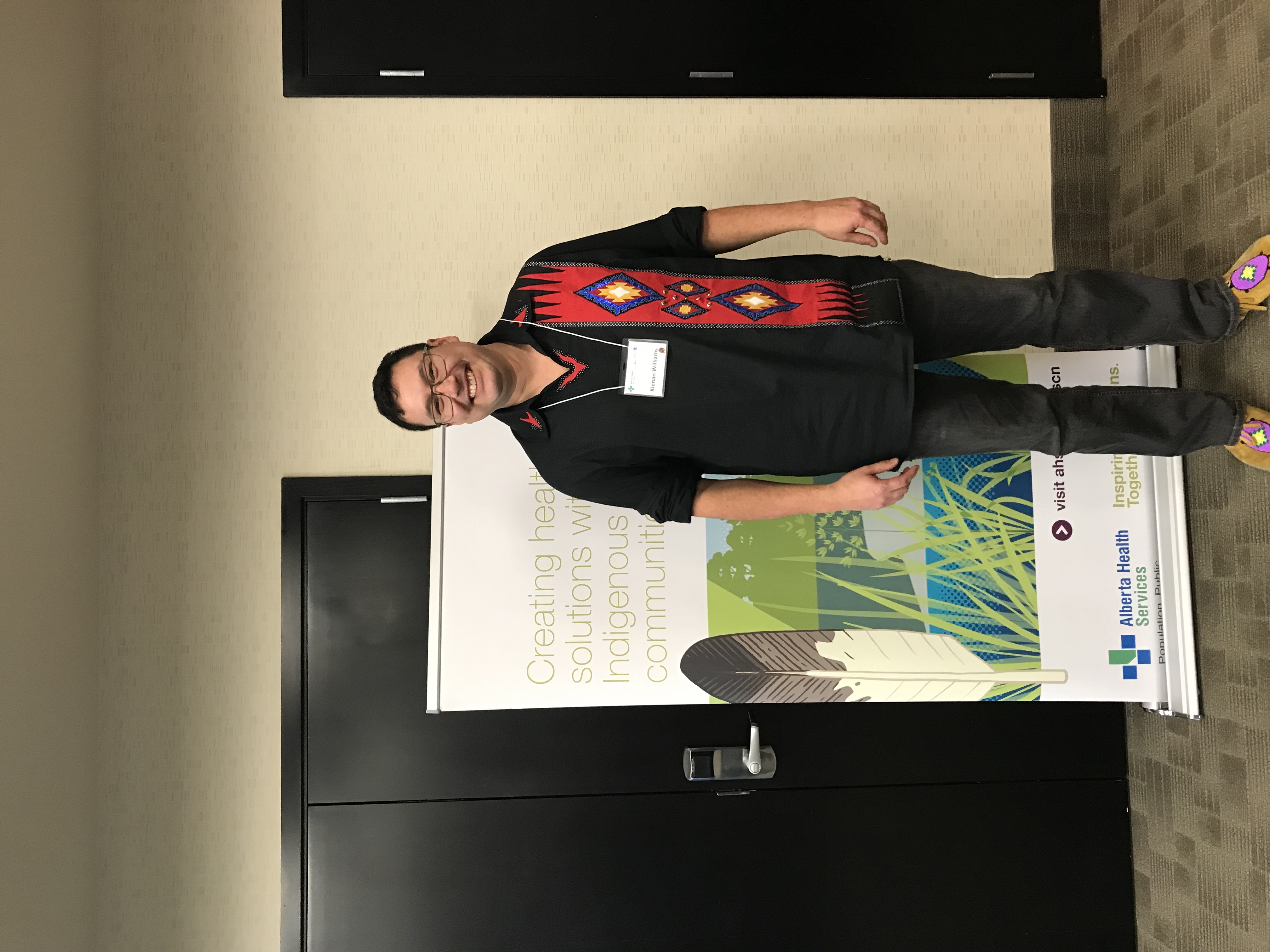 Kienan Williams Kienan Williams |
Kienan Williams is a member of Sandy Lake First Nation (Ontario) and is passionate about health equity with Indigenous people, using a data-informed lens privileging Indigenous Data Governance. He is currently the Program Lead for Innovation and Research within the Indigenous Wellness Core of Alberta Health Services. He completed a Master’s in Public Health from the University of Arizona in 2013. In this role he uses strength-based Indigenous Worldviews to address health inequities from a systems thinking approach. He has experience and knowledge of Alberta Health Service’s structures and processes, such as the Indigenous Health Commitments: Roadmap to Wellness. Kienan is an active lead and contributor to projects that improve Indigenous communities’ quality of life such as: Data Sharing Agreement based on the Health Analytics Portal technology to repatriate Alberta Health Services data to individual Indigenous communities.
|